
Written: October 2026
How I Prepare Actors for Career-Defining Physical Roles
An insider’s guide to the body transformations, movement, fight training and difficult decisions behind preparing actors for film, television and theatre.
Before the Workout Starts
The public sees the result. These are the things that often matter more.
The programme is only one part of the job.
I’ve been helping actors since 2008 prepare for physically demanding roles across 40 major productions, mainly Hollywood films and streaming television series. My work is primarily about body transformation and fight preparation: helping an actor build the physique, strength, fitness and practical combat ability a role requires. The difficult part is working backwards from the production deadline, the actor’s starting point and the exact physical brief—then creating a plan that is ambitious, safe and properly thought through.
The physique brief is not always spoken aloud.
Sometimes the expectation is clear even when nobody says precisely how it is meant to happen.
Transformations can take months
Six weeks can create meaningful change. It cannot manufacture years of muscle, movement skill or recovery. For dramatic physical transformations, on very big projects, I want as much time as I can get! In practice, most projects I’ve worked on have 3-6 months before the camera roll.
The trainer sometimes has to protect the actor’s interests over the production’s demands.
My responsibility is to be honest about what is safe, realistic and worth the cost.
Pressure around PEDs and GLP-1s can be indirect.
An immovable deadline and an extreme expectation can create pressure without anybody explicitly telling an actor to take anything.
A film role is temporary. Your health is not.
The aim is to make the performance stronger — not to leave the person worse off after the final cut.
I hate being realistic.
When I started my career, the stuff I do now wasn’t realistic. Being an actor is never the realistic career path either. But here you are.
We have to be ambitious when it comes to your body. It’s the only way. It’s amazing what can be achieved when an actor and a physical coach work together—when both are prepared to think bigger.
Preparing an actor is rather more than writing a workout plan.
Before I programme a single session, I need four things to be clear:
- What must the character physically communicate?
- What can the actor safely do now?
- What must the camera see, and when?
- How do we build it, then sustain it through production?
That is the work: turning a creative brief into a safe, realistic plan that helps the actor perform.
Sometimes the job is relatively simple: create a sexier, firmer, bigger or smaller body. Sometimes it is to teach somebody to fight in a particular style, jump over a fence as though they have done it a thousand times, play a sport convincingly or simply walk with a new kind of grace so they can better embody a character. More often, it becomes considerably more interesting… and more complex.
What the actor needs as a person and what the upcoming project requires are not always perfectly aligned. I have to consider their health, psychology, nutrition, strength, fitness, appearance, movement and practical skills, not merely the most obvious physical result. My job isn’t just to transform a body. It is to help the actor achieve what the role demands, collaborate with producers and stunt teams as the project develops, and do all of this without losing sight of the actual human being doing the work.
This is how I approach that responsibility, along with some of what I’ve learnt along the way.
An actor does not only speak as the character. They stand, walk, breathe, react and occupy space as the character too. That physical story begins before the first line is delivered. Some actors look and move wonderfully on screen despite their approach to preparation… not because of it. With intelligent, properly structured pre-production coaching, actors can deliver a more impressive performance when the cameras roll, acquire genuinely useful new skills, become healthier and reconnect with their innate athleticism in the process.
Part of my role is showing actors that far more is physically possible than they may realise.
My job is not to impose a generic transformation or merely help somebody “tone up a bit.” It is to recognise the potential that already exists, then help the actor develop the skill, strength and confidence required to feel aligned with the character – and make the audience believe in them. The visible transformation matters, of course. But it isn’t the whole job.
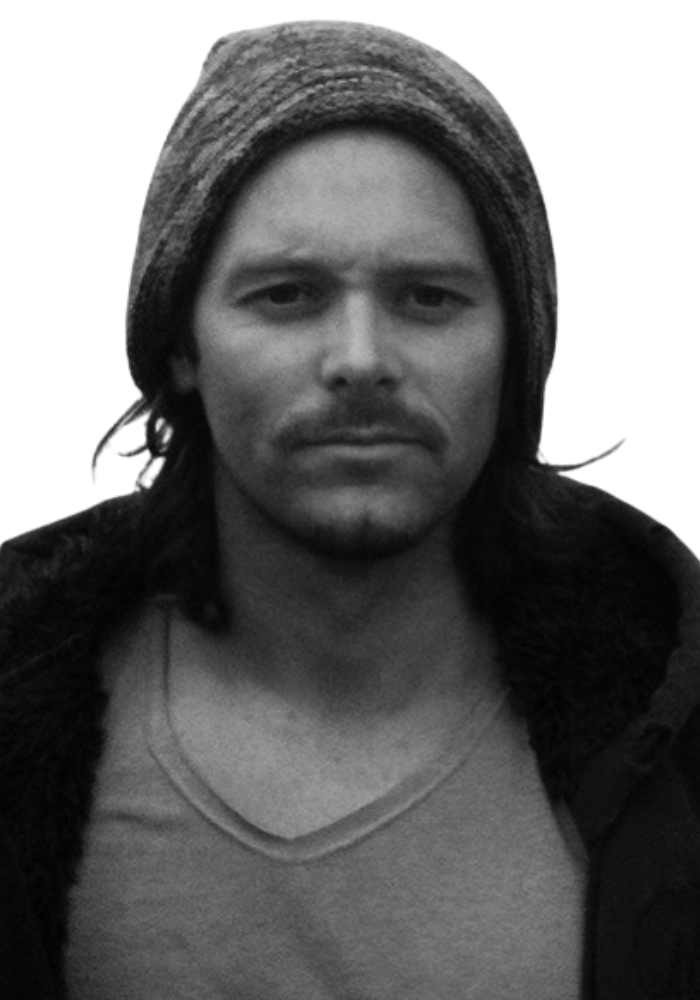
1
Begin with the person
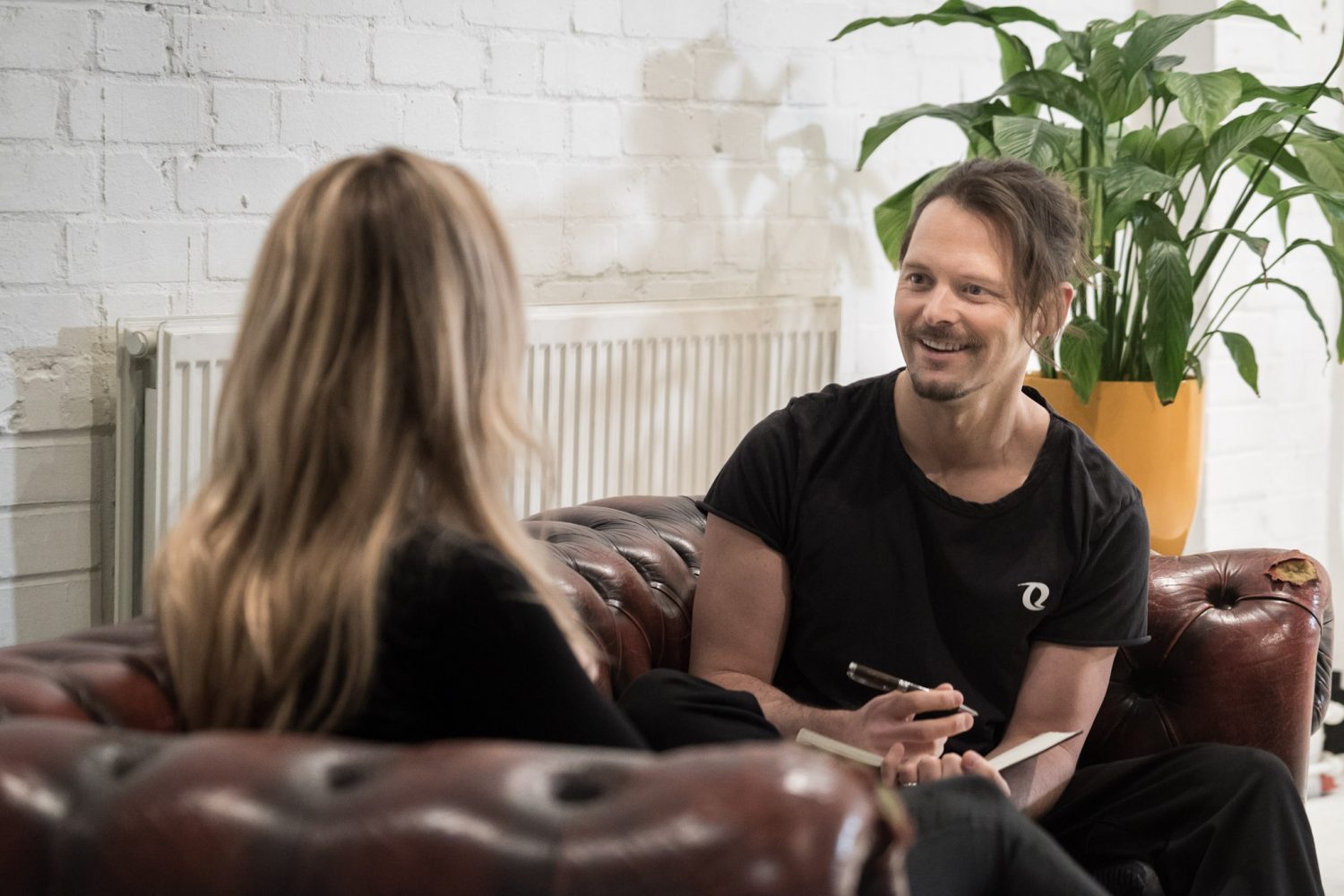
An actor’s assessment begins in much the same way as it would for any other client. First we have a talk! Then I look at their health and injury history, training background, lifestyle, strength, mobility, flexibility, body composition and overall movement quality. We examine nutrition, sleep, stress, energy and recovery. Before they are an actor preparing for a role, they are a person with a body, a life and usually a few other things going on.
For example, when I train actors in their twenties, they usually also want to look good, feel confident and enjoy being in excellent shape. When I work with actors in their sixties, they are more likely to have old injuries that have troubled them for years… and, while looks in this industry matter, they are usually thinking more about health, mobility and longevity alongside their next performance. You cannot simply label somebody “an actor” and train only the role.
What does this person actually want from their body? How do they respond to pressure? What injuries are we managing? What can we improve that will still be useful when the production is over? I start with the person. The role comes afterwards.
2
Then assess the project
Once I get the vibe of the actor, I assess the production. If my client is the lead… or one of the principal cast, I will usually speak directly with the producers and director to understand their vision. What should this person look like? How should they move, walk and occupy space? What must their physicality communicate before they even speak? What will the camera actually see? Which scenes matter most, and how much time do we have?
Every character has a physical history, much of which we’ll never see on screen. Childhood experiences, old injuries, social status, fear, confidence, occupation and the way they’ve learnt to survive in the world all leave their marks. I’m interested in those details. Does this person enjoy occupying space, or have they spent their life trying not to be noticed? Are they genuinely fearless, or have they simply become very good at disguising fear? I don’t dictate the answers. I enjoy exploring these questions physically with the actor, finding little habits, reactions and contradictions that might help bring the character to life. And sometimes the most revealing detail is barely a movement at all. How somebody sits when they’re uncomfortable, what happens to their hands when they’re caught out, or whether they seem to shrink when another person enters the room. You can spend ages developing a whole physical vocabulary for a character, only to discover that one tiny habit says more than the elaborate stuff.
Increasingly, I am invited to contribute at this stage. Rather than simply being told to make somebody “bigger”, “leaner” or “fitter”, I’m asked my opinion on how the character should move and fight… and what can realistically be achieved within the schedule. I’ve got to level with you… as a total movie nerd, this side of my career is especially fun for me.
On large Hollywood films, the second-unit director is responsible for much of the action and stunt work. I may therefore collaborate with them, the stunt or fight coordinator, choreographers, physiotherapists, costume and other relevant departments. It works best as a collaboration. The director understands the story, the stunt team understands the action and I know what the actor can actually do… or what I think I can teach them to do by the time we shoot it. That last distinction can be rather important.
One advantage for my acting clients is that I have also trained big Hollywood producers and directors. I understand the pressures, priorities and language on the other side of the conversation… not only what the actor wants from their body. It is similar to my work in fashion. My model clients value the fact that I have trained, worked with and become friends with bookers, agency owners and designers, because I understand what each person is actually looking for and how their decisions are made. That 360-degree knowledge is useful. It helps me anticipate problems and translate vague briefs and miscommunications into something we can actually work with.
Preparation creates possibilities
When an actor has been hired for an action role but has not yet begun working with the fight coordinator, I remind them of something important:
The better prepared you are, the further the fight team can take the scene.
If you arrive unable to throw a convincing punch, move with balance or remember a physical sequence, the coordinator has to build the choreography around those limitations. They will still make it safe and workable, but they may need simpler movements, more stunt-double coverage, tighter camera angles and heavier, choppier editing. Long, uninterrupted wide shots expose weaknesses in movement very quickly.
If the actor arrives with a genuine foundation in fighting, coordination and movement, the possibilities expand. The fight team can create more ambitious choreography. The second-unit director can keep the camera on the actor for longer. The editor receives more usable footage, and the performance feels more immediate because the audience can see that it is really the actor moving.
You do not have to arrive as a professional fighter. But the more physical vocabulary you possess, the more freedom you give everybody else… and the more authentically the performance translates to the screen. This isn’t easy. Remember, in martial-arts films, the lead actor is usually already highly skilled. Teaching a martial artist how to act is often quicker than teaching an actor how to fight!
3
Build the body the character needs
When training an actor to look a certain way, it’s not simply about adding muscle or reducing body fat. Posture, proportion, shape, movement and the way somebody presents themselves can make an enormous visual difference. The desired physique has to make sense for the character. And occasionally the right decision is to make somebody look less conventionally impressive. Not every character should walk around with BDE. Hollywood has never been particularly shy about wanting actors to look spectacular without a shirt on. But if the character is awkward, worn down or uncomfortable in their own skin, polishing all that away can be precisely the wrong thing to do. We still need to look after the actor’s health, of course. But my idea of a successful transformation isn’t necessarily the same as a fitness magazine’s.
Male Actors
With the projects I’ve been involved in, the male actors are rarely supposed to look like powerlifters or bodybuilders. I tend to work with clients who need a lean, athletic look… like they can seriously handle themselves in a fight… but, more importantly, they get the girl afterwards. I generally sculpt male actors to look more like middleweight boxers or surfers—i.e. lean, powerful and capable. Defined and strong, with a naturally balanced and athletic physique. Too much of a six-pack can feel like a 1990s Gay Times feature, while obsessing over visible abs can miss the point entirely. The character comes first.
That being said, it is rare that we do not need to add some quality, dense muscle. For male actors whose brief involves building muscle and a convincing athletic physique, heavy strength training is normally the foundation. But when the job is principally about movement or character, the gym may be the least important part. The difference lies in how we use it. The aim is not to make the actor look like a bodybuilder; it is to give them the muscularity, strength and physical presence that make the character believable.
I do not usually want an enormous chest. It can dominate the physique, restrict movement and make the actor look more like a gym enthusiast than somebody naturally athletic. So, to give you one simple example: after the client has the basic proportions we need, rather than endless heavy flat bench pressing, we might use 30-degree incline, close-grip dumbbell presses to develop the chest without chasing size for its own sake. This looks more natural — think more Brad Pitt in Fight Club and less Arnold Schwarzenegger in Conan.
I am normally looking for a stronger neck, forearms, triceps and developed shoulders, a proportionate lower body and appropriate visible abdominal definition. We need a body that impresses… and remember, it’s not just about this job. If you play a part well and look great, you open more doors for other projects.
Would Christian Bale have become Batman without American Psycho? Would Australian stand-up comic Eric Bana have secured a massive role in Troy without Chopper? The same applies to Tom Hardy after Bronson and Jason Statham after The Transporter. When it comes to action stars, it is rare for them to come from nowhere.
So, sometimes… I remind my clients that this project could potentially change their career.
A client building mass with the Trap Bar Deadlift Shrug

Yours truly – aged 40-ish
Obviously, the role dictates the goal. But cinema has a slightly peculiar physical language: characters are frequently jacked, sculpted and extraordinarily capable, yet we rarely see them exercising. Outside boxing and martial-arts films, it is surprisingly unusual to see the main character spending hours training. In the language of cinema, being strong, physical and capable is cool. Watching the years of repetitive practice required to become that way apparently isn’t!
For most male actors, then, we do not want an obvious “gym body.” We want a body that looks as though it has been created by an exceptionally active & sporty life. In reality, that kind of physique can take years to build—and I am usually only given weeks or months. So we take an intelligent shortcut: my clients throw around some very heavy weights.
If the character has a military background or has endured considerable physical hardship, some workouts also become psychological preparation. The actor needs to understand what it feels like to remain composed while tired, uncomfortable and under pressure. Having trained real-life police officers, MI5 officers, bare-knuckle fighters and professional athletes gives me a useful toolbox of ways to create that experience. Put less delicately, I know many creative ways to make actors suffer!
Actresses
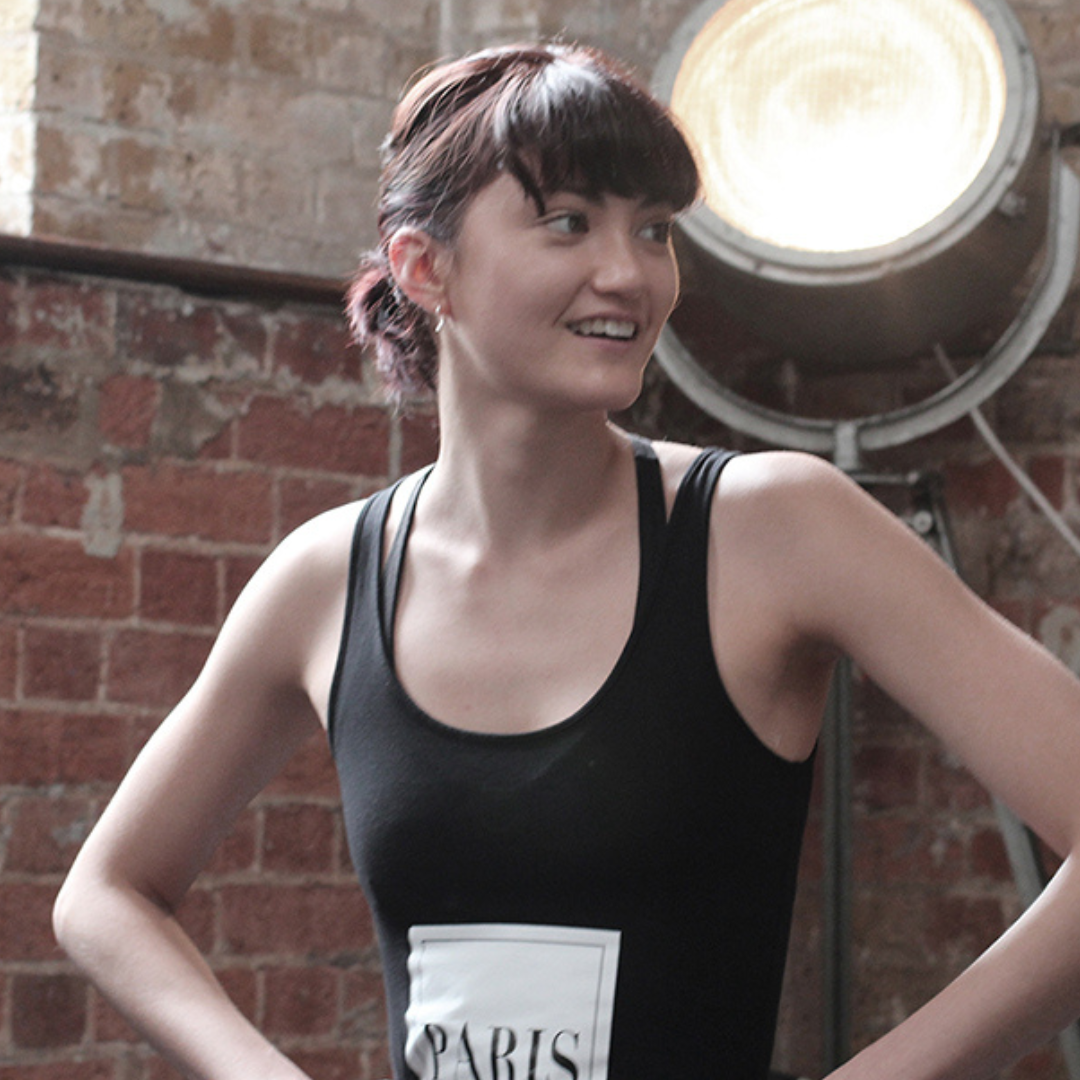
Female actors are still too often told simply to become smaller. That is not good enough. The brief might be to look lean, strong, athletic, elegant or physically commanding, but we should work with the actor’s natural structure rather than forcing every woman towards the same narrow ideal. Some women carry muscle beautifully. Some have naturally broad shoulders, powerful legs or an athletic frame that should be developed rather than diminished. The correct physique is the one that suits the woman, the character and the visual world of the film.
A significant part of how I approach female physique work comes from my years training fashion models. That taught me a great deal about proportion and shape… and that changing a woman’s body is not simply a matter of making her smaller. Small changes to the shoulders, waist, glutes, legs and posture can completely alter how somebody looks on camera. Sometimes adding muscle is exactly what I want. Sometimes adding it in the wrong place works against the aesthetic we are trying to create.
That experience has proved incredibly useful with actresses. I can borrow from the model work when the brief calls for elegance, shape or a leaner silhouette, then combine it with the strength, athleticism and physical capability the character actually needs. I’m not trying to make an actress look like a fashion model. I’m using what years of working with models taught me about shaping the female body.
Actors Between Projects
Not every actor comes to me with a specific production approaching. Some male and female actors want to stay strong, lean, capable and camera-ready between roles. Others know my work in film, sport and the fashion world and want the same combination of physique, movement and confidence… without being trained like bodybuilders or pushed towards somebody else’s ideal body. Sometimes we are preparing for a demanding role, an action sequence or a particular scene. At other times, the actor simply wants to feel fantastic, enjoy training and remain ready for whatever comes next. Both are valid. Not every programme needs a dramatic transformation to have real value.
Example One: Preparing an Actress for a Bedroom Scene
Preparing an actress for a sex or lingerie scene is not simply a matter of making her leaner. These scenes can involve physical exposure, close cameras, costume fittings and a room full of people examining details that would normally remain private. The first responsibility is to listen. How does she want to look and feel? Which parts of her body make her feel confident, and which create anxiety? What will she be wearing? How will the scene be lit and filmed? What does the character need to communicate… confidence, vulnerability, seduction, awkwardness, power or something else entirely?
The physical goal is normally about shape, posture and confidence rather than simply becoming smaller. Depending on the actress and the scene, we may develop the glutes and legs, create tone through the shoulders and upper back, improve posture or refine the waist without trying to force her into somebody else’s body. We work backwards from the filming date. The objective is to peak for the scene that matters… not exhaust her before production begins. I will not use dangerous dehydration, starvation or punishment workouts. The actress still needs enough energy to act, move, concentrate and feel like herself.
The Actress, (along with the intimacy coordinator, director, and scene partner) decide how the scene plays – I’m not an acting coach! My role is physical preparation: helping the actress arrive strong, comfortable and able to move without feeling that her body has become a problem to solve.
Looking good matters, of course. Feeling comfortable enough to forget about your body and actually act matters rather more.
Confidence Has to Be Real
My approach has also been shaped by years of preparing catwalk models for lingerie shows during Fashion Week. You need to look confident. The easiest way to look confident is to feel confident… and genuine confidence usually comes from knowing that you have prepared properly. If an actress knows she has trained intelligently, eaten well, slept properly and done everything reasonably within her control, she carries herself differently. Her posture changes. Her movement becomes less guarded. She stops checking and correcting her body every few seconds. Successful actors can be surrounded by agents, assistants and other people whose job sometimes appears to include telling them how brilliant they are. That is not my role.
A coach has to be honest. Sometimes that means a respectful reality check: the deadline is close, the current plan is not working or the desired result requires more consistency. I have never needed to be rude or raise my voice. Honesty does not require cruelty, but being too soft or sycophantic serves nobody.
Trust allows those conversations to happen. The actress should know that I am not judging her body. I am helping her prepare for a professional demand while protecting her health, dignity and confidence.
I don’t want to spend the morning of the scene persuading her she looks good. I want her to arrive already knowing she has prepared properly.
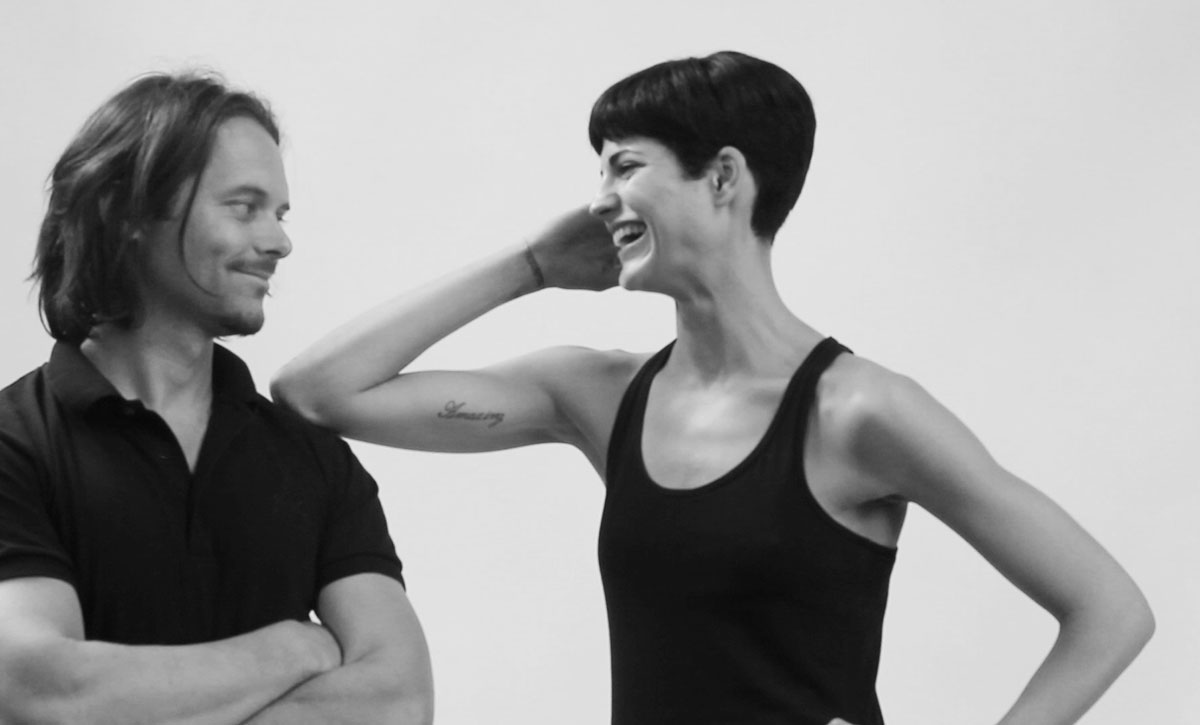
Example Two: Preparing men for topless scenes
When a male actor has a topless scene, we work backwards from the filming date. If the scene is scheduled eight weeks into production, there is no point having him look his absolute best on the first day. We want him to peak when the camera actually needs the result. I approach this in much the same way that I prepared male cover models for Men’s Health: develop the physique gradually, reduce body fat responsibly and then make small final adjustments so the muscles appear full, lean and defined on the day. But there are limits.
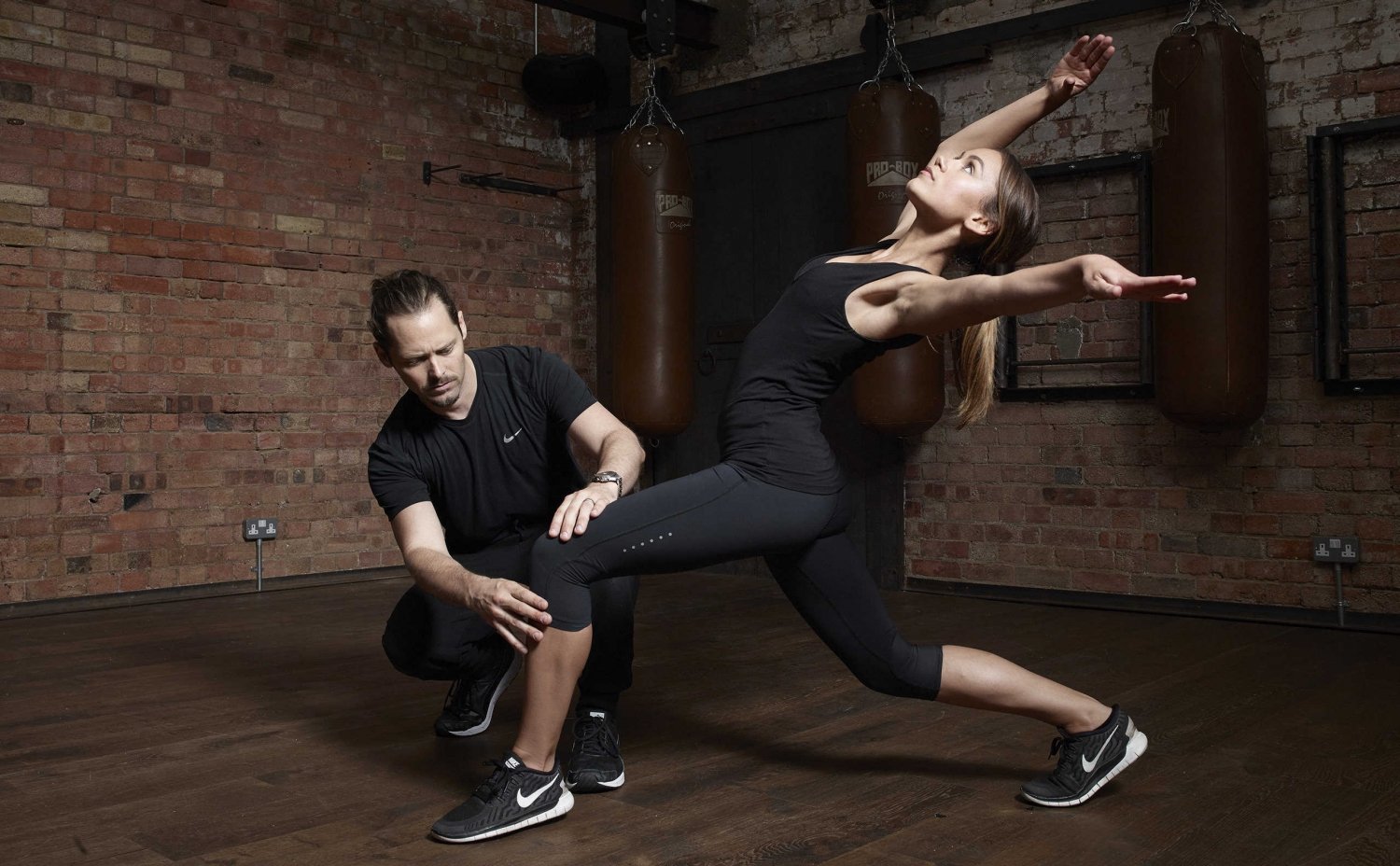
My philosophy has always been about working with your body and nature… not fighting against them. I will take somebody as far as I responsibly can while keeping them healthy, capable and able to perform. I have personally got down to 6.5% body fat (in the picture of me, I’m at 10%). I achieved it 100% naturally… I live very toxin-free; I don’t drink any alcohol anymore, don’t have protein shakes, let alone PEDs!. But honestly, it was hell — I couldn’t really do anything besides train, eat, and sleep! In my experience, you cannot act, move or feel your best when body fat becomes excessively low. For many male actors, around 10-12 per cent produces what the camera needs: visible abdominal definition and separation through the shoulders and arms without making them look as though their entire life takes place inside a gym.
To me (and most film fans), “sexy’ means looking athletic, very capable and 100% comfortable in your own body… not like a gym junkie who has accidentally wandered onto a film set.
When the brief really is to get huge
There are roles that genuinely require an actor to become much bigger. Of all the specialist film trainers I’ve worked with in LA over the years, I’ve collaborated most closely with coach Jason Walsh in West Hollywood. I’ve also looked after numerous actors he’s coached when they’ve been in London. One project I had zero involvement in was his excellent work transforming Bradley Cooper for American Sniper. As I know a little about what went on behind the scenes, I can assure you Mr Cooper lifted a lot of heavy weights and ate an awful lot of food!
Helping an actor get massive is certainly within my expertise. But the training is often the easy part. In my experience with actors on other projects, getting them to eat enough, even when they’re not hungry, becomes the main focus. I can design the training and nutrition strategy, but the actor needs to arrive with considerable discipline already in place if they want to achieve a dramatic physical transformation.
My work with Actors has evolved over the years. The projects I work on nowadays are less about dramatic bulking-up transformations and increasingly sit at the intersection of movement, fighting and creating a lean, attractive, ‘sexy’ athletic physique.
4
Physical credibility on camera
Movement training is one of my specialist areas. I help actors develop the posture, balance, coordination, rhythm and physical awareness that make demanding roles—particularly action work—credible on camera. The audience does not need to know how much an actor can deadlift or how many pull-ups they can do. They need to believe that you should not fuck with them.
At least, if that is the role. Someone timid, clumsy or exhausted needs an entirely different physical foundation.
What sports psychology can teach actors
Years ago, I was hired by a Brazilian jiu-jitsu fighter ranked number two in the world in his weight category. His coach thought his concentration was fading in longer fights because he lacked endurance. After a few sessions, I suspected something else: his ability to concentrate and make decisions under sustained pressure seemed to be the bigger issue.
We tried some fairly unusual drills, including me punching him while asking him maths questions. He had to solve problems while defending himself. There was a method to the madness, I promise, but that’s another story.
I mentioned this to an actor I was coaching, who asked what actors could learn from sports psychology. Quite a lot, actually. I’ve worked with both for years, and these are the three things I keep coming back to:
- Do the thinking in rehearsal. Work out the details, make mistakes and practise until you can stop worrying about every movement when the camera rolls.
- Confidence comes from actually doing things. If you’ve learnt to fight, move or handle yourself convincingly, you don’t need somebody standing there telling you how confident you ought to feel.
- Learn to keep your head when things get messy. A missed cue, an unexpected movement or a long, demanding take shouldn’t send you into a panic. It’s something you can practise.
And for any serious actors reading this, it works both ways. There are some brilliant lessons athletes could learn from actors, too.
The training has done its job when the actor can forget about the training altogether.
Of course, different aspects of movement need different specialists. I’m not a dance coach. For that work, I admire Polly Bennett, who helped Rami Malek embody Freddie Mercury in Bohemian Rhapsody and Austin Butler embody Elvis Presley in Elvis. My own speciality, alongside strength and conditioning, is screen combat.
Wire work and epic, Chinese-style martial-arts movement are another highly specialised discipline… and not something I claim to specialise in. For that visual language, I recommend studying the work of Yuen Woo-ping, the legendary action director and choreographer behind films including The Matrix, Kill Bill and Crouching Tiger, Hidden Dragon. His work blends genuine martial-arts technique with wire-assisted movement, character, rhythm and cinematic scale.
With my own clients, I expose them to genuine combat ideas and movements. I have competed in Muay Thai in Thailand and trained in boxing, Wing Chun kung fu, tai chi, Kempo, karate and several other martial arts. It’s a major hobby of mine, and I love sharing the worlds of both genuine martial arts and screen combat with my clients.
Wallis Day… prepping for her lead roles in DC’s Krypton & Supergirl
Learn to fight first. Then adapt it for the screen.
I prefer my actors to learn how to fight properly first. We can then adapt genuine skill for the screen.
Many actors learn only screen combat. They become good at remembering choreography, hitting marks, and selling reactions… but may never develop the balance, timing, distance, coordination, and instinct of someone who can actually fight.
Yes, high-level screen combat is an art in itself. The leading action actors and actresses working today understand this. But for 99% of actors — and 99% of the audience — I think the camera can see the difference.
Real fight training gives an actor a foundation. They learn to generate force, protect themselves, control distance and react naturally under pressure. Their stance, breathing, footwork and awareness begin to look authentic because they are no longer pretending to understand those things.
We then adjust that ability for filmmaking. Screen combat needs to be safer, clearer, more exaggerated and precisely choreographed. Techniques may need to open towards the camera, reactions must help tell the story and every movement has to be repeatable across multiple takes.
Every fight tells a story
The choreography must tell us who is fighting and why. An angry character, a terrified one and someone who has fought for years may perform the same movement quite differently. The physical action should reveal something about the person, not simply look impressive.
Great action stars realise that adding little moments of vulnerability can make a huge difference. A small sigh after a complicated fight scene, a look of exhaustion or a moment of panic can bring the audience closer, helping them relate to the character and see a little of themselves in them.
Jackie Chan made a career out of this! Almost the opposite of Bruce Lee’s seemingly invincible screen persona. You see it with Tom Cruise in the Mission: Impossible films too. The little looks, the sighs, the heavy breathing, those subtle signs of being human.
Sometimes it’s the smallest details that make a character believable. We can explore these details in training, long before the cameras roll.
How a character fights tells a story within the wider story. Every good fight has a beginning, middle and end. There is intention, conflict, struggle and eventually some form of resolution. It should never feel like a random collection of impressive movements. Who begins with the advantage? What does each character want? When does the balance of power change? Does somebody become frightened, exhausted, overconfident or desperate? What does winning… or losing… cost them? A convincing fight reveals character. It can show courage, arrogance, intelligence, fear, restraint or brutality without anybody saying a word. The punches and kicks are the dialogue. The fight itself is the scene.
The detail is in the body
How a character breathes, where they look and how they distribute their weight through their feet all tell a story. Real fighters often carry themselves differently from people who have never trained. The same can be true of special-forces soldiers. They do not need to walk around trying to look tough, but their balance, awareness and economy of movement suggest that they could react immediately. Where does the character’s attention sit? Do their eyes fix on one threat or continue scanning the environment? Do they hold their breath under pressure or remain controlled? Is their weight balanced and ready to move… or are they heavy, tense and vulnerable? These may sound like tiny details, but the camera notices them.
If we have done it properly, the actor should not need to advertise that the character can fight. You can usually tell before the first punch is thrown.
Modern screen fighting needs a bigger vocabulary
In the 1980s, an action star was often associated with one recognisable fighting style. You occasionally still see that approach used brilliantly… Silat in The Raid, for example, or Muay Boran in Ong-Bak. Audiences are much more visually educated now. They have watched the UFC. They have seen John Wick, Reacher and increasingly sophisticated fight choreography across film and television. Their standards are higher, and our physical vocabulary needs to be broader. Most contemporary projects therefore use a mixture of martial arts. I do not mean competitive MMA as one sport. I mean selecting movements and principles from different systems to create a fighting language that belongs to the character.
Are they highly trained or naturally scrappy? Calm or terrified? Fresh from fight camp or a former special-forces soldier now in his sixties? Somebody who once knew how to fight should not move exactly like somebody at their physical peak. Sometimes the character needs to look rusty. Sometimes relaxed. Sometimes even surprised by what their own body appears able to do. The fighting style is part of the character. Treating it as decoration is a missed opportunity.
5
Train for the production... not merely the gym
Most of my specialist work happens during pre-production. Sometimes I have an actor for one month. Sometimes six. Lead actors often have around three months, but on large, career-defining productions in which physicality is central, I have had as long as nine months. More time does not only create a better physique. It gives strength, skills and movement time to become owned rather than newly learned. For a major role, I may train an actor every day. Sometimes we work twice a day when the demands and available preparation time justify it. That does not mean two exhausting gym workouts every day. One session might focus on strength or physique development while the second covers fighting, movement, mobility, conditioning or recovery.
I have no interest in proving how hard I can train somebody. The clever bit is getting enough good work done without leaving the actor injured, exhausted or useless when they actually have to perform.
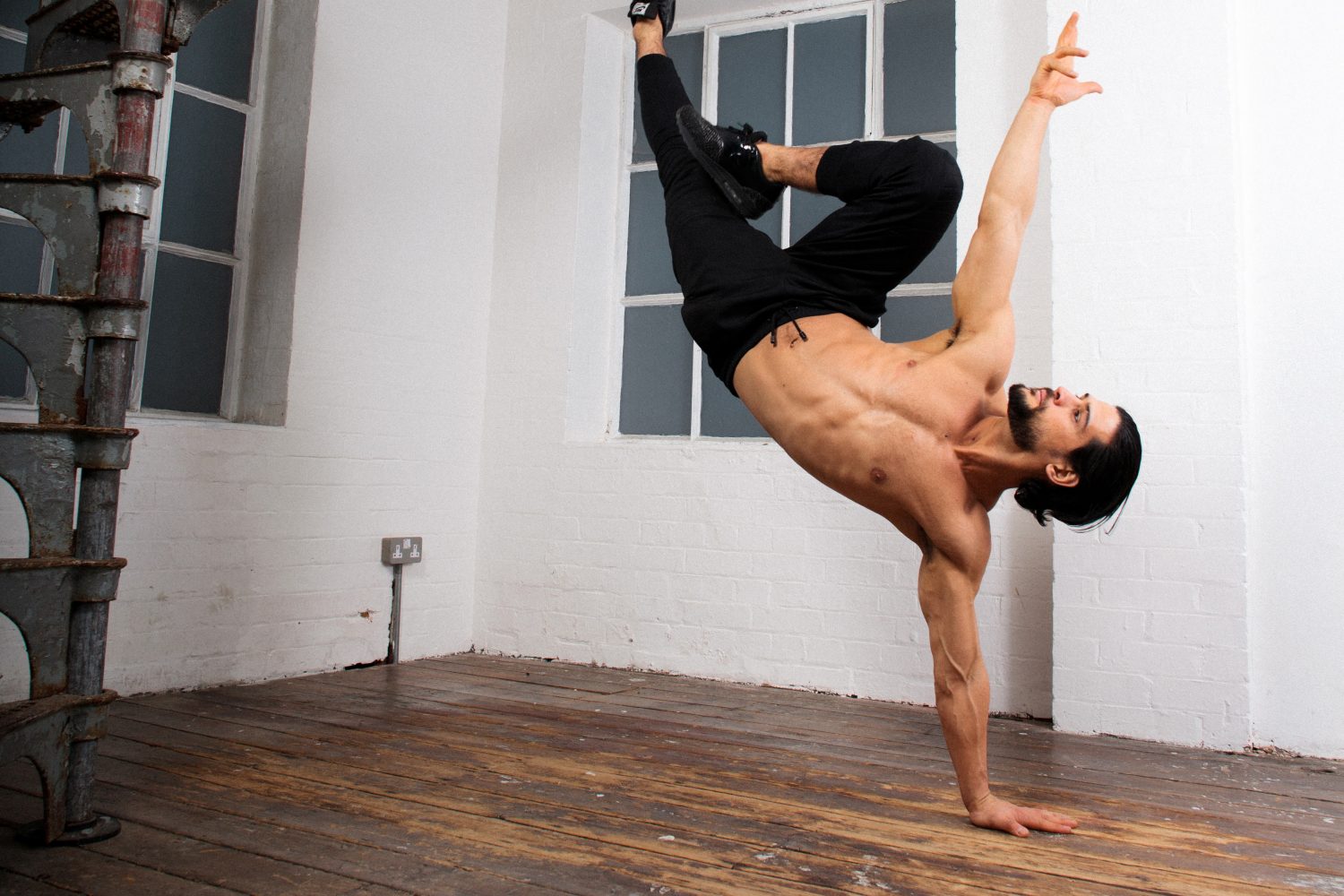
A flexible preparation sequence
- Assess the actor and establish the foundations.
- Build the required strength, fitness and physique.
- Develop the character-specific movement and skills.
- Rehearse, integrate and refine what the camera will see.
- Reduce unnecessary fatigue and arrive ready to film.
Food has to be practical
On large projects, I often arrange for the actor’s meals to be prepared and delivered directly to them each day. In Los Angeles, I use Paleta, run by the lovely Kelly. In London, I work with The Pure Package, run by the equally lovely Jenny. This removes guesswork. The actor does not need to calculate calories, search for appropriate food between meetings or rely on whatever is available after a long day. The correct meals simply arrive. Very glamorous. It also means nobody has to live on identical boxes of chicken and broccoli. The food has to support the goal and suit the actor’s tastes, dietary requirements, schedule and digestion. A theoretically perfect plan is useless if the client hates it, cannot digest it or cannot follow it around filming.
During filming, the priority changes
I sometimes work on the production itself. By then, the physique, movement, stunt preparation and character work have normally been completed. The emphasis shifts towards injury prevention, recovery, mobility, stretching and maintaining what we built. An actor may spend 11 hours on set and have almost no normal social life. In reality, a trusted coach can become part of their support network: somebody familiar to talk to after work while we help their body recover. Occasionally, a client is also preparing for the next role while filming the current one. Then the training may become more active again… but I rarely begin a major physique transformation midway through production. It demands energy the actor needs for the current job, and continuity usually requires their body to remain consistent.
By then, mostly, I’m trying not to ruin all the work we did before filming started.
After the role
An extreme screen physique is not always a sensible body to maintain forever. After filming, food, training volume and recovery should return gradually to something sustainable. The actor may need to restore energy, allow injuries and fatigue to settle, reconnect with normal life or begin preparing for an entirely different character. The aim is not to abandon the discipline that created the result. It is to help the actor leave the temporary role-specific body without feeling that they have somehow failed. Your screen physique was built for a purpose. When that purpose ends, the plan should evolve too.
6
Trust is everything
Building trust is one of the most important parts of coaching an actor. They need to trust that you understand the role, that you can prepare their body safely and that you will not waste their limited energy. They also need to know they can be honest when they are tired, frightened, injured, overwhelmed or simply having a terrible day. Trust is not created by shouting, name-dropping or trying to impress somebody with a complicated programme. It is built by listening carefully, keeping promises, respecting confidentiality and consistently doing what you said you would do. Actors are often naturally quite rebellious. They are self-employed risk-takers who have built careers by trusting their instincts, tolerating rejection and refusing to follow the safe route. Some take instruction brilliantly. Others… rather less so. That makes the relationship with the trainer incredibly important.
A mediocre technical trainer with excellent communication skills, empathy and leadership will often achieve better results with any client than a technically gifted coaching genius who is socially awkward and unable to read the person in front of them! It is no surprise that three of the leading Hollywood trainers over the last 20 years — Ashley Borden, Gunnar Peterson and Jason Walsh (pictured with Dan) — have it all. They have clear technical expertise, but they also know how to communicate it appropriately to their A-list clientele. Speaking from direct experience of working with all of them in one capacity or another, they’re seriously charming and charismatic people who know, through both their actions and words, how to build rapport and trust quickly.
You can write the cleverest programme in the world, but if the actor doesn’t trust you, it is not going to get very far.
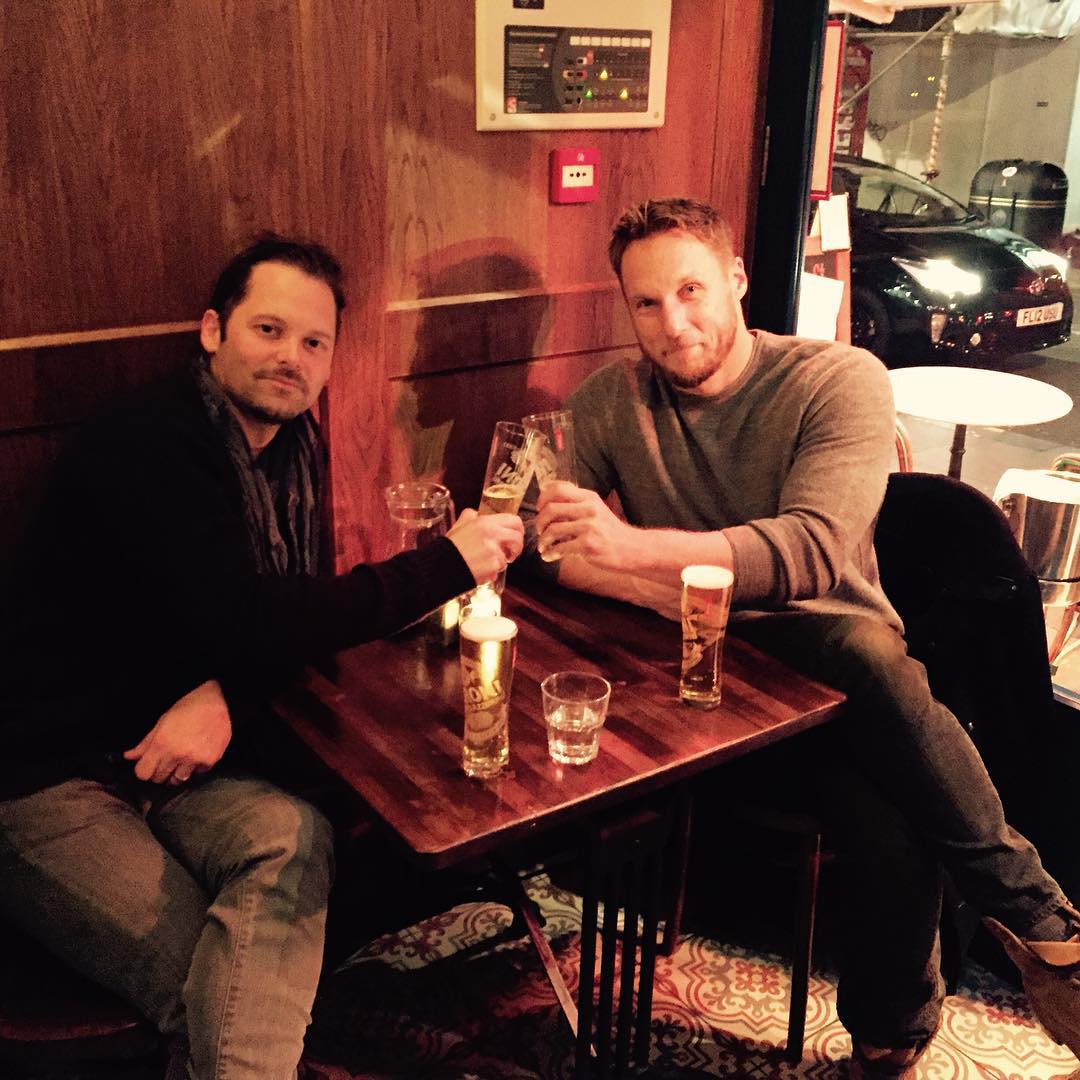
What about ego?
Honestly, ego has rarely been a problem with my acting clients. Actors can be sensitive souls underneath it all. Their work involves vulnerability, judgment and rejection… often in a very public industry. When there is mutual respect, most potential problems disappear. I do not need to shout, manipulate or play mind games to make somebody work hard. I am also not going to become sycophantic because somebody is famous.
Whether I am meeting an actor straight out of drama school preparing for a first play or a multiple Academy Award winner training for an enormous role, my attitude is the same:
I am fortunate to work with them… but they are also fortunate to work with me.
Know where your loyalty lies
Sometimes the production brief and the actor’s wishes do not align. In those moments, you have to be absolutely clear about where your loyalty lies. It is not automatically with whoever pays the invoice. It is with the most vulnerable person in the equation. A production may employ me, but my professional responsibility remains with the person whose health, body and confidence are being placed in my hands. You can respect the director’s creative vision, understand the producer’s commercial pressure and still say: this is what is safe, this is what is realistic… and this is what I will not do. Being trusted does not mean keeping everybody happy. Sometimes it means being the person prepared to protect the one with the least power.
How extreme should an actor go?
Male Actors, Steroids & Performance-Enhancing Drugs
Actors sometimes make extraordinary physical sacrifices for a role. Acting is art, and does somebody occasionally have to suffer for their art? Yes. But it should at least be an informed decision. The actor needs to understand not only the possible result, but also the physical and psychological consequences of pursuing it. Commitment to a role does not magically make an unsafe method safe.
Performance-enhancing drugs and weight-loss medications are certainly used in Hollywood. Testosterone, anabolic steroids such as Anavar or nandrolone, growth hormone and, more recently, drugs such as semaglutide all exist within that world. I’m not going to tell you which actors use them. Sometimes it may appear fairly obvious, but it isn’t my place to disclose private information or speculate publicly about somebody’s drug use.
Personally, that is a line I don’t cross. I don’t prescribe, supply, recommend or supervise steroids, hormones or prescription weight-loss drugs. I understand why some trainers end up involved. Productions can create enormous pressure: the actor has to look dramatically different, the deadline is immovable and millions may already be riding on the result. But pressure doesn’t suddenly make me a doctor.
You can still achieve spectacular physical changes naturally. It simply demands more precision. The exercise programming has to be intelligent, nutrition has to be appropriate, recovery matters enormously and the actor has to be remarkably consistent. Drugs can make certain aspects of physical transformation faster or easier, but there can also be a cost. Unless there is a genuine medical reason for treatment, under the care of an appropriately qualified doctor, I would rather work within what the body can achieve naturally.
There may be roles at the extreme end of physique culture — playing an elite bodybuilder, for example — where an actor decides that a particular level of physical authenticity is important enough to take risks I would not personally recommend. That is ultimately their decision, made with proper medical advice.
My position is simpler: a film role is temporary; your health isn’t. So don’t fuck with it.
Discretion is non-negotiable
I am always happy to sign an NDA. Journalists sometimes assume that my clients must have forced me to sign stacks of them because I do not reveal who I work with… but I have actually signed surprisingly few. Most of the time, discretion is not a clause somebody has imposed on me. It is simply how I choose to work.
There are two reasons. The first is philosophical and moral. My job is to coach. If fame were what I wanted, I would have chosen a different profession… perhaps tried to become the athlete or actor, or at least posted on Instagram rather more frequently. Fame genuinely does not interest me. Maybe seeing it close up so many times has cured me of the desire! I like working behind the scenes. I like helping my clients shine brightly in the spotlight while I remain the coach. I still find it slightly funny that magazines have written about me so often over the years. I am not against publicity… I simply have no desire to manufacture second-hand fame by constantly advertising the people I know, which is what almost every PR company that has approached me has encouraged me to do.
The second reason is business… discretion has worked rather well. The first actor I ever helped was preparing for a single scene in Hollyoaks. A year later, I was working with Kristen Stewart while Twilight was a genuine cultural phenomenon. I do not think that relationship would have begun if my website had been covered with stories showing off about Hollyoaks. A-list actors value discretion. Producers value discretion too. A producer connected to The Matrix once admitted that they had been a little wary of me before we met because the media had described me as a “celebrity trainer.” That label suggested publicity, name-dropping and noise… almost the opposite of what a serious production needs from somebody trusted with its actors. Being placed in the spotlight does not necessarily help me work with actors… sometimes it creates another concern that I have to quietly remove by behaving professionally.
I only discuss clients publicly when they have already spoken about working with me on social media or in the press. I certainly do not discuss private details about their bodies, injuries, training, lives or productions with journalists. If a client wants to mention me, tag me or say nothing at all, that is entirely their choice. I genuinely do not mind. My job is to help them do their best work… not use their name to build my profile.
This article is designed to explain exactly what I do and how I work with actors… so performers, agents and producers can understand where I am coming from. It is not designed to reveal who happens to be in my address book. Confidentiality is not a special service I offer famous people. It is simply part of the job.
If You’ve Just Been Cast, Do These Eight Things
- Get the complete physical brief. “Get fit” is not a useful instruction. Ask what the character should look like, how they should move and what the camera needs to see.
- Request the relevant script pages and provisional shot list. Design preparation around the scenes, not a generic actor transformation.
- Find the real deadline. Work backwards from fittings, rehearsals, camera tests and the first revealing or demanding scene.
- Have your body assessed first. Review health, injuries, movement, strength, body composition, sleep, stress and nutrition.
- Speak to the stunt or movement department early. Genuine ability gives the scene more options and reduces reliance on doubles and heavy editing.
- Do not copy another actor’s transformation. Their role, body, starting point and schedule were not yours.
- Protect your health and ask difficult questions. If the brief involves extreme weight loss, drugs, dehydration or an unrealistic deadline, understand the consequences and insist on qualified support.
- Call me. Let’s have a little chat. Tell me where you’re at physically, what the project is and what you want. I can give you a pretty good idea of whether it’s possible and at least point you in the right direction when it comes to changing your current training regime and diet, etc.
Questions to Ask Your Producer or Agent
- What is the precise visual and physical brief?
- Which scenes expose or physically test my body?
- When are the costume fittings, rehearsals and camera tests?
- Will I have a stunt double, and how much of the physical work do you want me to perform myself?
- Who has final approval over the physical transformation?
None of these are particularly glamorous questions, but answering them early can save an extraordinary amount of trouble later.
There is also a practical side to choosing who prepares you. If you are one of the principal cast, you will normally have considerably more influence over who you work with physically. You do not simply have to accept whichever trainer happens to have been suggested by production. Established actors frequently bring their own coaches with them because trust matters, particularly when somebody is going to be involved with your body, food, injuries, energy levels and confidence for several months.
If you are newer to film and playing a smaller role, the situation can be rather different. A production is unlikely to subsidise months of private coaching simply because you would like to arrive in exceptional condition. You will have to pay for that preparation yourself.
My acting clients tend to see bringing me into a project for what it is: an investment in themselves, not merely an expense attached to one job. The body, movement skills, confidence and training knowledge they develop remain with them long after the production wraps. And if the work helps them look better, move better and deliver a more convincing physical performance, it may influence what they are considered for next.
CASE STUDIES
Real roles. Different problems.
Film preparation is serious work. The film industry itself is frequently ridiculous. These are a few real examples of why the same solution never works twice.
The Nine-Month Body Transformation That No One Saw
Around ten years ago, I was hired to prepare one of the lead cast members for an enormous film. We had nine months, and the brief was simple: make him look big and tough. He was naturally very slim, so for the first half of the preparation we concentrated on building general strength, improving his physical foundations and gradually increasing his capacity to train. During the second half, we became much more specific and focused on the muscles the audience would actually see. There was little point dedicating equal time to every part of his body when the camera and costume would only reveal certain areas.
The greatest challenge was food. Before we began, he had been skipping breakfast, drinking gin and tonic at lunch and snacking on crudités throughout the day. Suddenly, he needed to eat more like a bodybuilder. People massively underestimate how long it can take for the appetite and digestive system to adjust to substantially more food… you cannot simply hand a naturally skinny person twice as many calories and assume their body will immediately cooperate. But we did it. He gained around 10kg. Based on the 12-site skinfold measurements I used back then, the great majority appeared to be lean mass, with relatively little extra body fat. These days I prefer DEXA over skinfold callipers or Bod Pod for assessing body composition, although no method is perfectly accurate. He was twice as strong on all major lifts and looked exactly as the production required.
Then approximately 90 per cent of his part was cut, and he barely appeared in the finished film.
A Year of Parkour for a Film That Still Hasn’t Appeared
I also trained a lovely guy for what was meant to be his breakout acting role alongside a genuinely impressive cast. He was also the lead. The producers asked me to assess him first to see if he had the athletic potential to learn all the very advanced stunt and fight work. I assessed him, and he did. We worked together for almost a year, developing his fighting skills, parkour skills and the wider physicality required for the character. That was eight years ago… and the film is still in post-production!
My two examples are not particularly uncommon… and things could certainly have been worse. Ryan Gosling famously gained around 60 pounds for his role in The Lovely Bones because he believed the character should be heavier. Peter Jackson and the production had a very different idea of how the character should look, and Gosling was replaced before filming. He later described the outcome rather brilliantly: he was left “fat and unemployed.” The story shows how badly things can go when the actor, director and wider team are not aligned on the physical brief.
So, yes… one of my actors had most of his performance removed, and another film may never escape post-production. But at least both men were paid, remained employed and looked fantastic. Ryan managed to bounce back okay! — which is also a great career reminder that shit happens outside of your control… it’s how you deal with it that matters.
I once prepared an Academy Award-winning actor to portray a character with a physical disability. We did virtually no conventional weight training or cardio. The preparation was movement. We studied posture, balance, gait, rhythm, compensations and the way ordinary actions would be performed. The objective was not superficial imitation. The physical behaviour had to feel integrated and remain consistent throughout the performance. This is why actor preparation is not the same as giving somebody a gym programme. Sometimes traditional exercises are the right tool. Sometimes they are completely irrelevant and you have to invent stuff that creates the right result.
I will call her Maggie… not her real name. Maggie is a young Academy Award-winning actress who came to me between films. She was already extremely capable and could deadlift 100kg following preparation for a previous role. This time, there was no transformation required. She wanted to train, feel good, have fun and remain physically prepared for whatever came next. So we combined light toning stuff with kickboxing, mobility and playful movement. There was no need to invent pressure or pretend that every session had to serve some career-defining objective. She wanted to train, feel good and have fun. So that is what we did.
During one particularly busy period, a long-term client was literally starring in films back to back. Actors can have spells like this! We were training as often as five days a week. Much of the work focused on maintenance and readiness: keeping her strong, capable, and physically confident across changing schedules and different roles. She wanted to look great; we did it. Then she wanted a six-pack, so we developed one. Having trained her for many years, her goals and our focus naturally constantly change. While we were both in London we also did a considerable amount of fight training and stunt-esque work because she loved it and had a natural talent for it. The perfect role hasn’t arrived yet to showcase everything she learned… but that doesn’t make the work pointless. Skills create options. An actor who already moves well or understands fighting can offer a director possibilities that somebody beginning from zero cannot… oh, and it’s pretty good fun too!
NB: This drill helps athletes improve agility, fluidity of movement, and reactions. I use it with MMA athletes, but I also like actors/performers to be exposed to different things when they work with me.
Many moons ago on Insurgent, I worked with one of the lead male actors who needed to fight convincingly in several key scenes. JJ Perry, the (pretty legendary) stunt coordinator sent me videos of the planned choreography, and all we did every day for weeks and weeks was drill the sequences repeatedly. The movement combined boxing, jiu-jitsu and screen combat. This was not about turning the actor into a competitive fighter or getting him jacked. It was about making the choreography instinctive enough that he could stop thinking about individual techniques and concentrate on acting. A real fight and a screen fight are not the same thing. On camera, every movement must be safe, repeatable and readable… while still looking completely believable. Once the choreography is in the body rather than the actor’s head, they can get back to the job of acting.
I have also done a great deal of work helping actors portray athletes on screen. We do not simply train them as a tennis player, runner or gymnast would train. That would take years, and most productions do not have years. We need intelligent shortcuts. The first thing I examine is the shot list. What will the audience genuinely see? Which movements need to be performed by the actor, which can be handled by a double and which small physical details will make the performance believable? I recently consulted on a film about a gymnast. Obviously, the lead actress was not going to become an elite gymnast in a few months. My job was to understand the director’s vision, collaborate with the producers and stunt team, assess the actress and return with an honest plan for what was achievable.
We are not going to create a world-class athlete in a few months. We don’t need to. We need to work out what the camera will actually see and get those details very, very good.
I once worked with a teenage actress on a major streaming series. She had not hired me… the production had. Their brief was that they wanted her to become slimmer for the role. She did not want to lose weight. She was naturally curvy, healthy and already slim by ordinary standards. Film and fashion, however, can operate with very different standards from normal life. Nobody wanted to say the uncomfortable part aloud, so I was brought in to have the difficult conversation.
My loyalty was with the young actress… not the producer. But simply telling her, “You look great and do not need to change,” would not necessarily have protected her. The production had made its requirement clear, and ignoring that reality could have resulted in her being replaced before filming began… which may have been even more damaging to her confidence and mental health. I had to build trust and negotiate between the actress, her mother, the producers and the director… without pretending that everybody wanted the same thing. My job was not to convince her that her natural body was wrong. It was to ensure she understood the situation honestly, felt heard and retained as much choice and control as possible.
I have qualifications for strength and conditioning. There isn’t a qualification for having that conversation.
In 2010, a RADA graduate hired me for six months. Not for a role or a particular physique. He wanted to spend less time living in his head and discover what his body could do. We began with old-school General Physical Preparation (GPP), building strength, power, endurance, cardio, mobility and flexibility. Then we explored everything from Alexander Technique, Pilates, Hatha yoga and qigong to sprinting, boxing and powerlifting. And I wanted him to experience the cultures too. Deadlifting at Equinox is one thing. A proper powerlifting gym, with clanging chains and heavy metal blasting, is quite another. Same with boxing in an East End gym rather than doing pad work in Green Park.
There was proper structure, measurable progress and plenty of play. It was an education in what I call Athletic Living. Five months into our six-month experiment, he unexpectedly landed his first major action-film role: part of a $100 million franchise. He had never done an action film before.
That was not the objective, of course. The real point was to use exercise as a form of self-development: to become less stuck in his head, more confident, capable and curious about what his body could do. But I do sometimes wonder whether the universe was listening in on our workout sessions.
The work is physical. The result is human.
Preparing an actor is not about imposing one perfect body, one fashionable training method or one coach’s ego onto every role. It is about understanding the person, the production and the character… and creating the physical capacity to connect all three. Sometimes that means building muscle. Sometimes it means becoming leaner. Sometimes it means learning to fight, altering a walk, protecting an injury, recovering between shooting days or having a difficult conversation that nobody else wants to have. I aim to make the actor’s job easier, the character more physically convincing and the production’s options wider. After more than 30 years as a coach and working with actors since 2008 across many different productions, I’ve learnt that the best physical preparation doesn’t draw attention to itself. It gives an actor more choices, more confidence and more freedom to disappear into the character. That’s the work I find most rewarding.
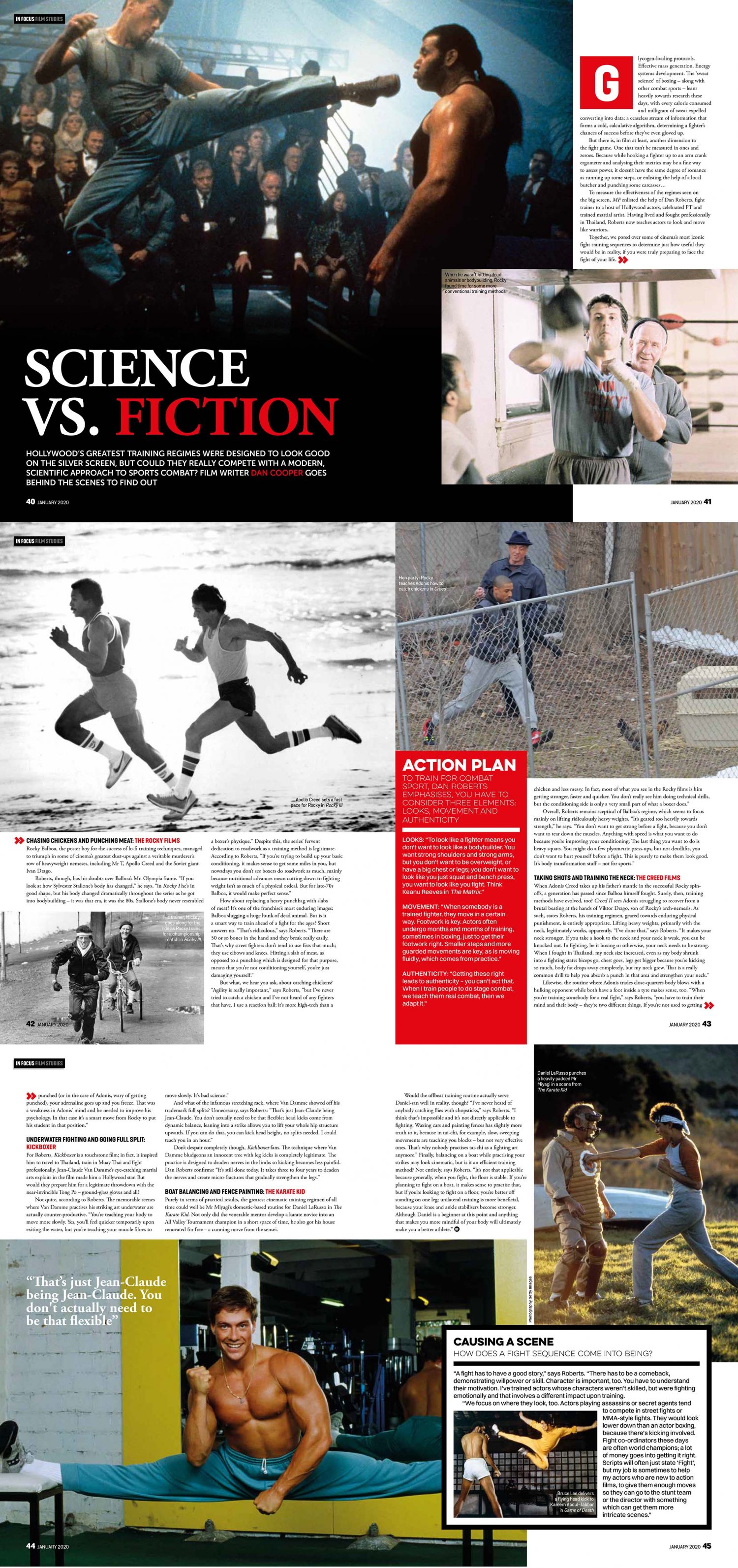
Hollywood Training: Science vs. Fiction
The training montage is one of Hollywood’s favourite shortcuts. A few dramatic sessions, a stirring soundtrack and suddenly our hero can do things that usually take years to learn. I spoke to Men’s Health about famous film training scenes, what holds up and what belongs firmly in the fiction department.
Performance Beyond the Screen: Music, Touring & Live Performance
Actors are not the only performers whose bodies have to withstand extraordinary demands. I’ve also worked with dancers from the Royal Ballet, musicians, strippers, pop stars and rock stars. That rather varied education has helped enormously when working with actors in Broadway and West End productions, not just getting them physically ready for opening night, but looking after their fitness, injury prevention, recovery and general wellbeing throughout a long run. Eight shows a week can take their toll. The job is to help someone keep performing brilliantly, night after night, without gradually running themselves into the ground. A long-running stage show or an international tour demands stamina, strength, sensible preparation and, perhaps most importantly, an understanding of the individual. You cannot simply throw a hard workout at somebody who has another show tomorrow. The clever part is knowing what will help and what might tip them over the edge.
I spoke to The Guardian about preparing touring musicians, managing old injuries and why I approach performers as athletes. The article also contains a few less glamorous truths about life on the road.

Working with me: FAQs
Three months is common, but I have prepared actors over periods ranging from one month to nine months. More time creates more options, particularly when the role requires significant muscle, fat loss, fighting or a new physical skill. Begin the conversation as early as possible… even if the final creative brief is still evolving.
For major roles, actors often train with me daily and occasionally twice a day. Sessions are varied rather than relentlessly intense: strength, conditioning, fighting, movement, mobility and recovery are balanced according to your needs and schedule.
Often, yes. The result depends on the role, the time available, the actor’s starting point and what we can achieve safely. I will always be clear about what’s realistic.
Yes. During production, the emphasis generally shifts towards maintaining the physique, protecting continuity, managing soreness and injuries, supporting recovery and keeping you physically and mentally ready for the next shooting day.
However, my expertise best serves you in pre-production.
No universal diet is imposed. Nutrition is shaped around your starting point, the creative brief, the schedule and your health. I do not recommend steroids, aggressive fat burners or dangerous dehydration. When appropriate, I can coordinate with dietitians, chefs or meal-delivery services.
I work with actors online and accept selected in-person and international engagements. The precise arrangement depends on the role, location, preparation period and production requirements.
Yes. I only publicly identify clients who have already chosen to discuss our work. I do not share private information about an actor’s body, health, training, life or production with journalists or on social media.
I’d say about 75% of the time, actors approach me directly (or sometimes through an agent, manager, etc.). The rest of the time, producers and studios appoint me for individual performers and for project consultancy.
I hope you found this interesting — and vaguely useful.
If you’re an actor or production company and would like to discuss a role, get in touch →
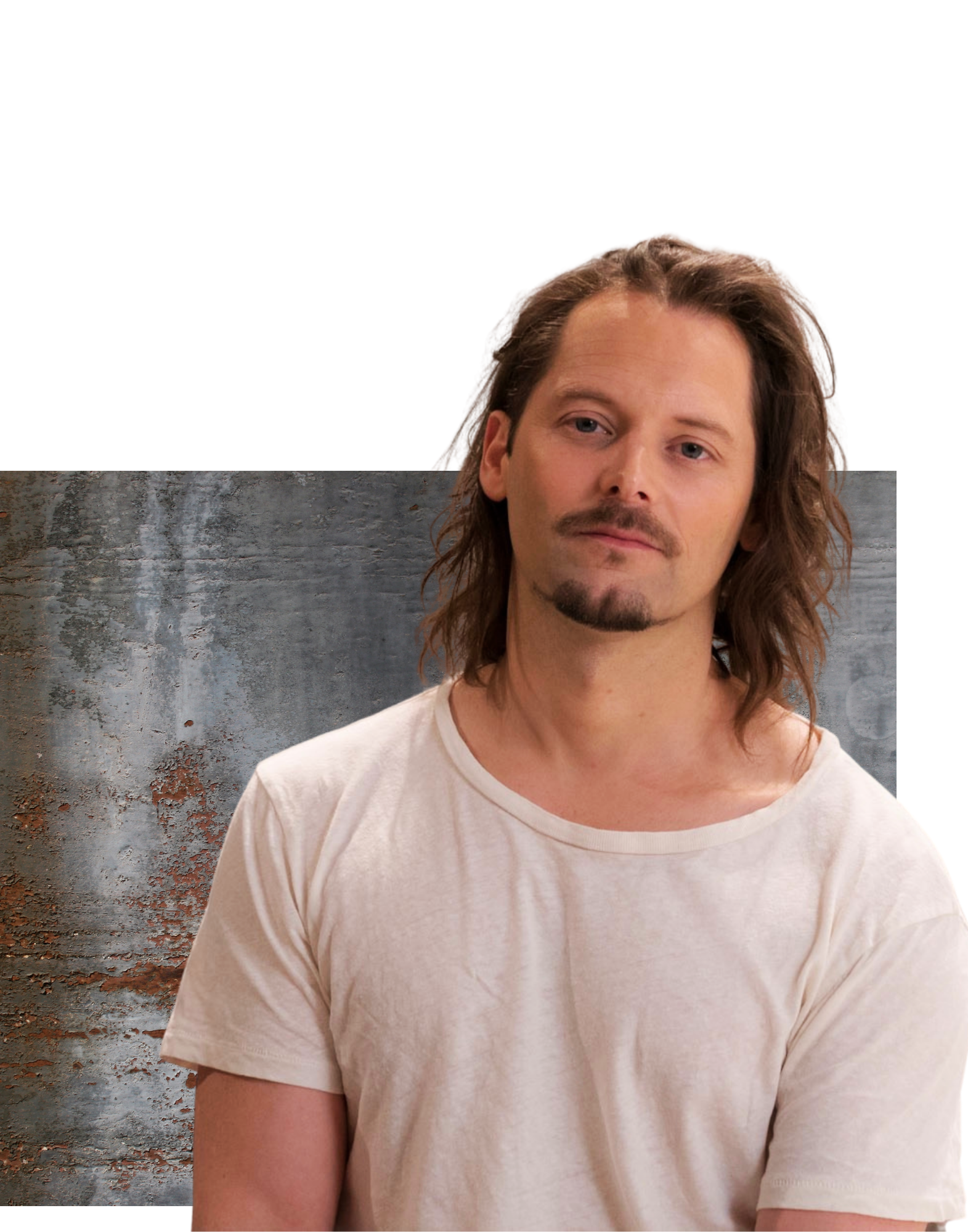
About Dan Roberts, CSCS
Dan Roberts is a London-based performance coach specialising in physique development, movement and combat preparation for actors, models and elite performers. A coach for more than 30 years, he has worked with actors since 2008, developing particular expertise in preparing them for film, television and theatre, including principal performers in major international productions. He has coached multiple Oscar, BAFTA and Emmy winners, helping them transform their bodies and physicality for demanding roles. References are available upon request.
His work combines strength and conditioning, athletic development, movement coaching and martial arts with a detailed understanding of how bodies appear and move on camera. He works privately and discreetly with actors, agents, producers, directors and production teams in London and internationally, but mostly online via one-to-one private coaching over Zoom.
Prepare the person. Build the athlete. Reveal the character.
I work with a limited number of actors and productions at any one time. If you’ve got a role coming up, tell me a bit about it. What does the character need to do? What does the director have in mind? And, rather importantly, how long have we actually got? I’d much rather have that conversation early, while we’ve still got some choices, than six weeks before filming when everyone is starting to panic. We can talk confidentially and work out whether I can help.